
The Complete Guide to Getting a Tattoo in Nashville (2026 Edition)
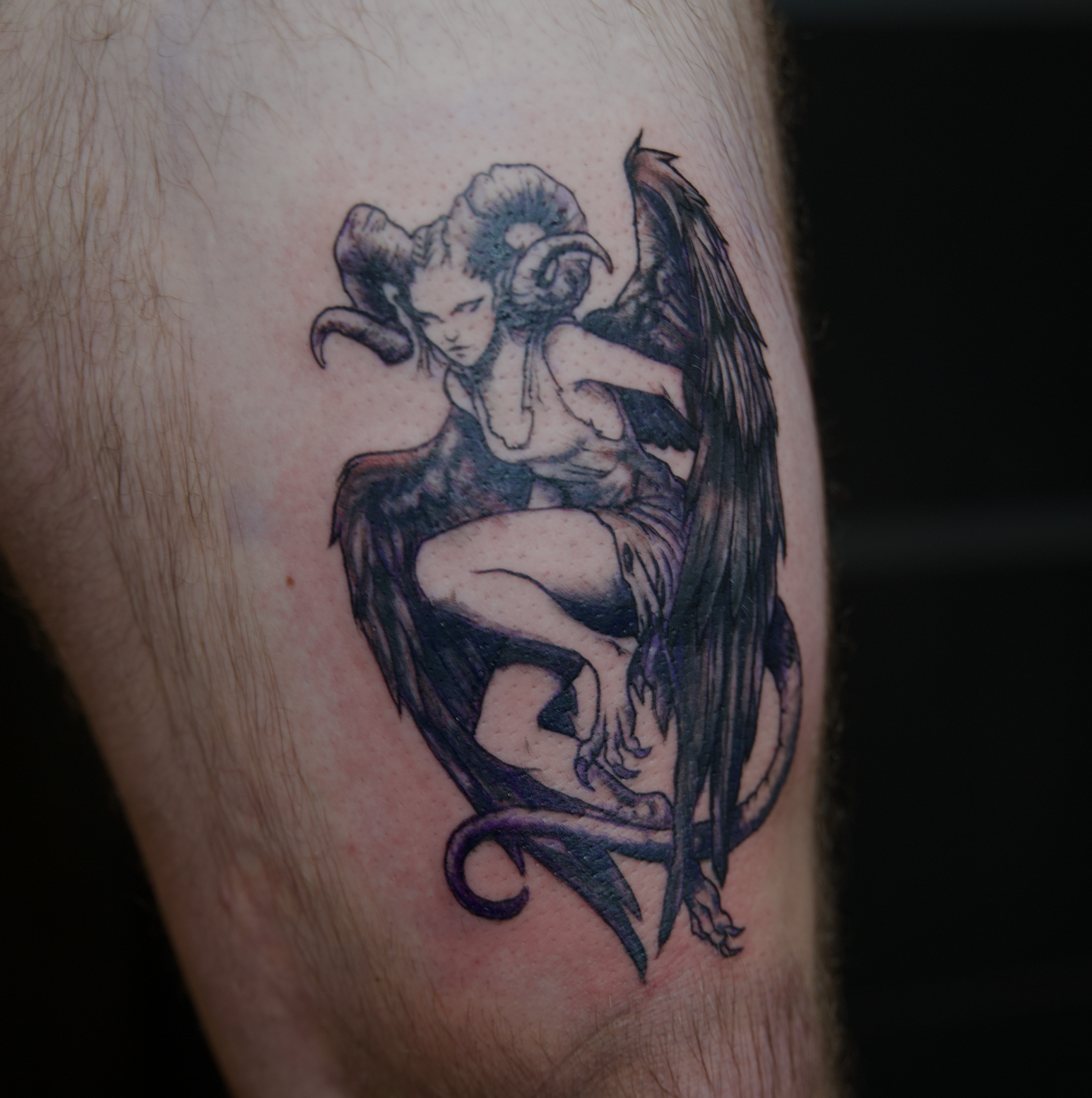
A recent tattoo done at Birdie’s Tattoo
Getting a tattoo is exciting. Whether it's your first tattoo or your tenth, taking the time to choose the right artist and prepare for your appointment can make all the difference.
Nashville is home to a thriving tattoo community with artists specializing in everything from fine line tattoos and black & grey work to bold traditional designs and custom pieces. If you're thinking about getting tattooed in Music City, this guide will walk you through everything you need to know before sitting in the chair.
How to Choose a Tattoo Shop in Nashville
One of the most important decisions you'll make is choosing the right tattoo shop and artist.
The best tattoo isn't necessarily the cheapest or the quickest to book. Instead, look for an artist whose style aligns with your vision and who consistently produces high-quality work.
Start by reviewing artist portfolios. Look for clean line work, smooth shading, strong composition, and consistency across multiple tattoos. Pay special attention to tattoos similar to the one you want.
Online reviews can also provide valuable insight. Look for comments about professionalism, cleanliness, communication, and overall client experience.
A quality tattoo studio should feel welcoming, professional, and clean. The best shops make clients feel comfortable from consultation through aftercare.
Most importantly, choose an artist whose work you genuinely love. Tattoos are permanent, and finding the right fit is worth taking your time.
How Much Do Tattoos Cost in Nashville?
One of the most common questions people ask is, "How much does a tattoo cost in Nashville?"
The answer depends on several factors.
The size of the tattoo is one of the biggest considerations. Larger tattoos naturally require more time and effort than smaller pieces.
Complexity also affects pricing. A simple symbol or word will typically cost less than a highly detailed custom design. Elements such as intricate line work, detailed shading, color, and custom artwork all contribute to the final price.
Placement matters as well. Some areas of the body are more difficult to tattoo and may require additional time and expertise.
Experience is another factor. Skilled artists who have spent years refining their craft often charge higher rates, but they also bring a higher level of artistry and technical ability.
The best way to get an accurate quote is to schedule a consultation. During the consultation, your artist can discuss size, placement, style, and design details before providing an estimate.
Remember: a tattoo lasts a lifetime. Investing in quality work is almost always worth it.
Fine Line Tattoos vs. Traditional Tattoos
Two of today's most popular tattoo styles are fine line and traditional tattoos.
Fine line tattoos use delicate lines and subtle details to create elegant, often minimalist designs. They're particularly popular for florals, script, botanical illustrations, symbolic tattoos, and smaller custom pieces.
Many people choose fine line tattoos because they have a refined, understated appearance that works beautifully for both first-time clients and experienced collectors.
Traditional tattoos, on the other hand, feature bold outlines, strong contrast, and classic imagery. Designs like roses, daggers, eagles, ships, and pin-up artwork have remained popular for generations.
Traditional tattoos tend to make a stronger visual statement and are known for their timeless appeal.
Neither style is better than the other. The right choice comes down to personal preference, subject matter, and the overall look you're hoping to achieve.
A consultation with your artist can help determine which style best fits your idea.
Walk-Ins vs. Appointments
Many tattoo shops offer both walk-ins and appointments, but knowing which option is right for your project can save time and frustration.
Walk-ins are often ideal for smaller tattoos, simple designs, flash tattoos, and spontaneous tattoo ideas. If an artist has availability, a walk-in can be a great way to get tattooed without planning weeks in advance.
Appointments are usually recommended for larger pieces, custom designs, sleeves, detailed fine line work, and tattoos requiring significant preparation.
Booking an appointment gives your artist time to develop the design and ensure every detail is exactly right before tattooing begins.
If you're unsure whether your idea is suitable for a walk-in, contact the shop beforehand. Most studios are happy to point you in the right direction.
What to Bring to Your Tattoo Appointment
Preparing properly for your appointment can help ensure a comfortable experience.
The night before your tattoo, get plenty of rest. Being well-rested helps your body handle the tattoo process more comfortably.
On the day of your appointment, eat a good meal and stay hydrated. Low blood sugar can make tattoo sessions more difficult than they need to be.
Wear comfortable clothing that allows easy access to the area being tattooed. If you're getting a thigh tattoo, for example, shorts are usually a better choice than jeans.
Bring photo identification, as tattoo shops require proof of age.
If you have reference images, bring those as well. Visual references help your artist better understand your vision and preferences.
Most importantly, arrive with an open mind and trust the process. Experienced tattoo artists often make recommendations that improve the final result.
Tattoo Aftercare: How to Help Your Tattoo Heal
A great tattoo deserves great aftercare.
Following your artist's aftercare instructions is one of the most important things you can do to ensure your tattoo heals properly and looks its best for years to come.
During the healing process, keep your tattoo clean by gently washing it with mild soap and water. Avoid scrubbing or over-washing the area.
Apply aftercare products as directed by your artist. While moisturizing is important, using too much product can sometimes slow healing.
Avoid swimming pools, lakes, hot tubs, and prolonged soaking while your tattoo heals.
It's also important to limit sun exposure. Fresh tattoos are especially vulnerable to UV damage, and even healed tattoos benefit from regular sunscreen use.
Some peeling and flaking are normal during healing. Resist the urge to scratch, pick, or peel the skin.
Most tattoos heal on the surface within a few weeks, though deeper layers of skin continue healing for longer.
Frequently Asked Questions
Does getting a tattoo hurt?
Some discomfort is normal, but most people find the experience manageable. Pain levels vary depending on placement, tattoo size, and individual pain tolerance.
How old do you have to be to get a tattoo in Tennessee?
You must be at least 18 years old to receive a tattoo.
How long does a tattoo appointment take?
Small tattoos may take less than an hour, while larger custom projects can require multiple hours or multiple sessions.
Can I bring a friend?
Policies vary by studio. It's always a good idea to ask before your appointment.
What if I don't know exactly what I want?
That's completely normal. A consultation is designed to help you explore ideas, discuss placement, and develop a design that fits your vision.
Final Thoughts
Getting a tattoo is a personal experience and an exciting form of self-expression. Whether you're interested in a fine line tattoo, a custom piece, or a classic traditional design, taking the time to research artists, prepare for your appointment, and follow proper aftercare instructions will help ensure the best possible outcome.
The right tattoo should feel meaningful, look incredible, and be something you'll be proud to wear for years to come.